Slab Stitching Project in Gilbert Arizona
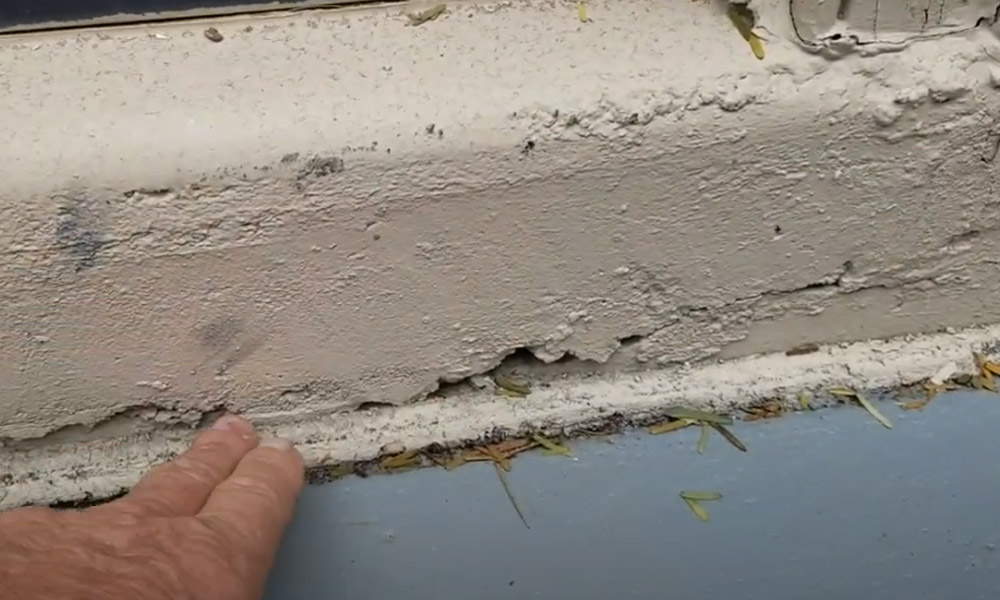
When it comes to repairing a cracked concrete floor there are a few things you need to do. First you need to determine why is the floor cracking. The floor is cracking because something is moving. Part of the floor is going in one direction while the other part is staying in place or moving in another direction. Simple enough right?
Sure you can try and fill the crack or cover it but that really isn’t a fix is it. The crack is not going to heal or go away on its own instead it will more than likely continue to expand and grow. As this happens the damage is likely to get bigger and bigger as well.
Before we repair the crack we need to find the source of the problem and determine why this is happening to your floor. Once we eliminate the cause we can then repair the damage otherwise the problem will return or other areas of the floor may start to crack as well.
What can be done to fix my cracked concrete floor?
One of the main causes for your floor to start cracking is your home’s foundation. Cracks are caused by movement and your floor and home rest on your home’s foundation. More than likely part of your foundation is raising or dropping in some area that is creating tension on your home’s floor or pad. This is important to understand, the weight of your entire home rest on your home’s foundation. That is clearly enough weight to snap your floor in half and that is what is happening if you notice cracks in your concrete flooring.
Repairing the damage and not fixing the source of the problem will only lead to other problems and further expense.
After the cause of the problem has been repaired and addressed we can now move forward with repairing the damage to your concrete floors. Your concrete floor is cracked and in pieces and not level and is in need of repair.
Now we need to restore your cracked concrete floor and to make all one and as level is possible.
The first thing that we need to do is put your floor back together and connect the pieces of your floor back into one to prevent further or future movement. This is what is called concrete stitching where we actually stitch your concrete floor back together. This is done by using metal rebar to close the cracks in your floor in order to prevent from moving apart in the future. Once the stitches are in place the crack and stitches are filled and finished.
Okay, the cracks are patched and filled but I can still see them.
Hold on, we aren’t done yet. The cracks have been repaired now we need to level the floor so that everything is like it should. Some of the high spots of your concrete floor may need some grinding and some to the low spots may need to be filled and we will take care of all of that. Once that is complete the floor will be primed and ready to be finished with your new flooring.
We are experts at concrete floor stitching and can restore your floor from any foundation damage your home may of had.
If you think your home may have foundation damage we can help, give us a call and I will answer any questions you may have.
- Summary Highlights A detailed assessment of walls, floors, doors, slabs, and load-bearing structures. Use of advanced tools such as moisture meters, laser levels, crack gauges, and soil probes. Detection of early signs of foundation problems, including cracks, water intrusion, and soil movement. A comprehensive repair plan with estimates, timelines, and expert guidance to maintain
- Summary Highlights Foundation issues often start subtly but can lead to serious structural damage if ignored. Expansive clay soils in Phoenix contribute to slab settlement, floor uplift, and wall cracks. Professional inspections use moisture meters, laser levels, crack gauges, and soil probes for accurate assessments. Acting promptly on foundation problems prevents costly repairs and
- Summary Highlights Professional foundation inspections are recommended every 2–3 years in Ahwatukee, or sooner if you notice signs of damage. Expansive soils, moisture, and natural settling can cause slab movement, cracks, and structural instability. Concrete Repairman LLC provides evidence-based inspections, detailed reports, and repair solutions for long-term stability. Acting quickly on inspection findings prevents
- Summary Highlights Foundation inspections focus specifically on structural integrity, unlike general home inspections. Even new homes can develop foundation issues due to soil movement or settling. Professional inspections identify hidden problems early, preventing costly repairs. Concrete Repairman LLC provides detailed reports, evidence-based findings, and tailored repair solutions. At Concrete Repairman LLC, we often get
- Summary Highlights Even new homes can experience cracks, slab movement, and soil settlement due to environmental and construction factors. Professional inspections detect hidden foundation issues like water intrusion, structural shifts, and expansive clay soil effects. Early detection prevents costly repairs and ensures long-term home stability and value. Concrete Repairman LLC provides expert, evidence-based assessments
- Summary Highlights A foundation inspection identifies both visible and hidden structural issues, providing a clear roadmap for necessary repairs. Recommended repairs may include crack injection, stem wall repair, slab leveling, soil stabilization, and drainage correction. Addressing foundation problems promptly protects the home from further damage, including uneven floors, drywall cracks, and plumbing issues. Professional
- Summary Highlights Average residential foundation inspection takes 60–90 minutes; commercial inspections may take longer. Inspections evaluate slabs, stem walls, load-bearing walls, soil conditions, and moisture levels. Red flags like horizontal cracks, floor uplift, slab movement, or failing stem walls require immediate attention. Professional inspections provide evidence-based reports for informed decisions and effective repairs. At
- Summary Highlights Foundation problems are the most serious and costly home inspection red flag Horizontal cracks, slab movement, and soil-related issues indicate structural risk Arizona’s expansive clay soils increase the likelihood of foundation damage A professional foundation inspection protects safety, value, and long-term stability When homeowners or buyers ask us this question, the answer
- Summary Highlights Identify early signs of foundation settlement and structural damage Protect your home from costly long-term repairs Gain peace of mind before buying, selling, or remodeling Receive expert insights from a trusted Arizona foundation specialist A foundation inspection is one of the most important steps a homeowner can take to protect the structural
- Summary Highlights Professional foundation inspections evaluate slabs, stem walls, soil conditions, and moisture levels Cracks, uneven floors, and sticking doors often indicate foundation settlement Arizona’s expansive clay soils make regular inspections especially important Early inspection helps prevent costly repairs and long-term structural damage A foundation inspection is a comprehensive evaluation of your home’s structural